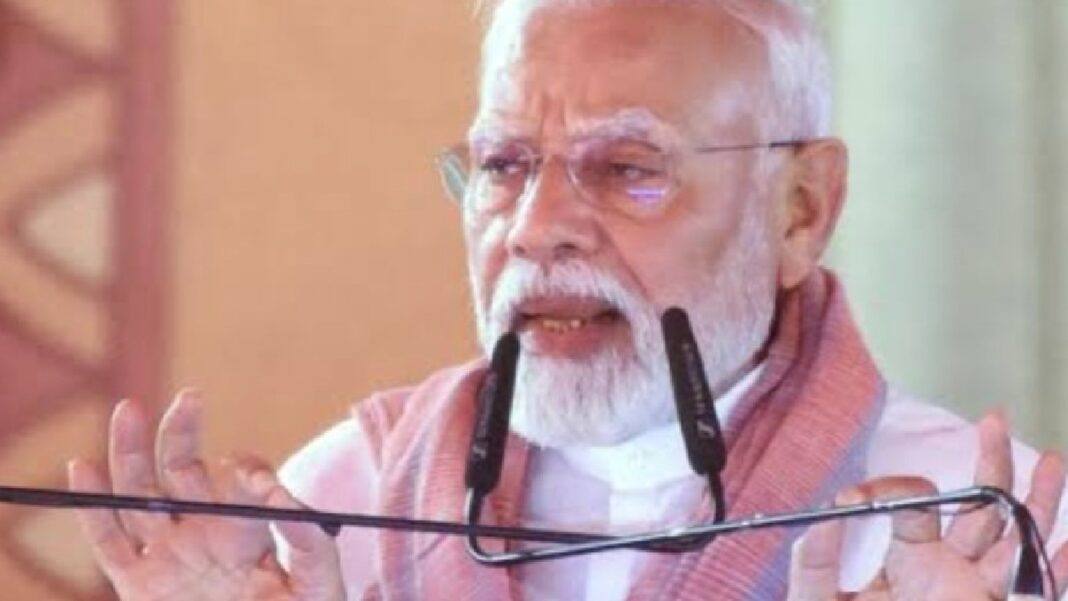
Prime Minister Narendra Modi’s address to the nation on the evening of September 21, 2025, set the tone for a transformative period ahead, focused on economic relief and cultural resurgence. Delivered just before the launch of major tax reforms and the festive Navaratri season, the speech introduced the concept of the “GST Bachat Utsav” — a savings festival aimed at making everyday essentials more affordable and bringing relief to the common citizen.
The core announcement centered on sweeping changes to GST, now restructured into simpler slabs with hundreds of items seeing rate adjustments. Many essentials will be taxed at a reduced rate of 5%, some at 18%, while luxury and sin goods remain at the higher 40% bracket. Alongside GST reforms, Modi reiterated income tax relief measures, highlighting that many taxpayers benefit from an exemption threshold up to ₹12 lakh. The combined impact is projected to save Indian households around ₹2.5 lakh crore annually, directly boosting disposable income during the upcoming festive season.
Modi made it clear that the reforms target the poor, the middle class, and students—groups for whom every rupee saved counts the most. Yet his appeal went beyond passive relief; the Prime Minister called upon every household and shop to actively embrace “Swadeshi” — the purchase and promotion of Indian-made goods — as part of the broader Atmanirbhar Bharat (self-reliant India) initiative. He urged state governments and micro, small, and medium enterprises (MSMEs) to accelerate local manufacturing, produce goods used daily by citizens, and thus bolster the nation’s economic independence.
The speech, therefore, encapsulated both promise and challenge. The promise lies in the direct financial relief to millions through tax reforms and the cultural revival of pride in Indian products. The challenge is embedded in translating these policies into tangible benefits at the grassroots level with transparency and efficient implementation. As the “GST Bachat Utsav” kicks off from September 22, the true measure of success will be how these reforms impact the day-to-day lives of Indians and support India’s journey toward a self-reliant future.