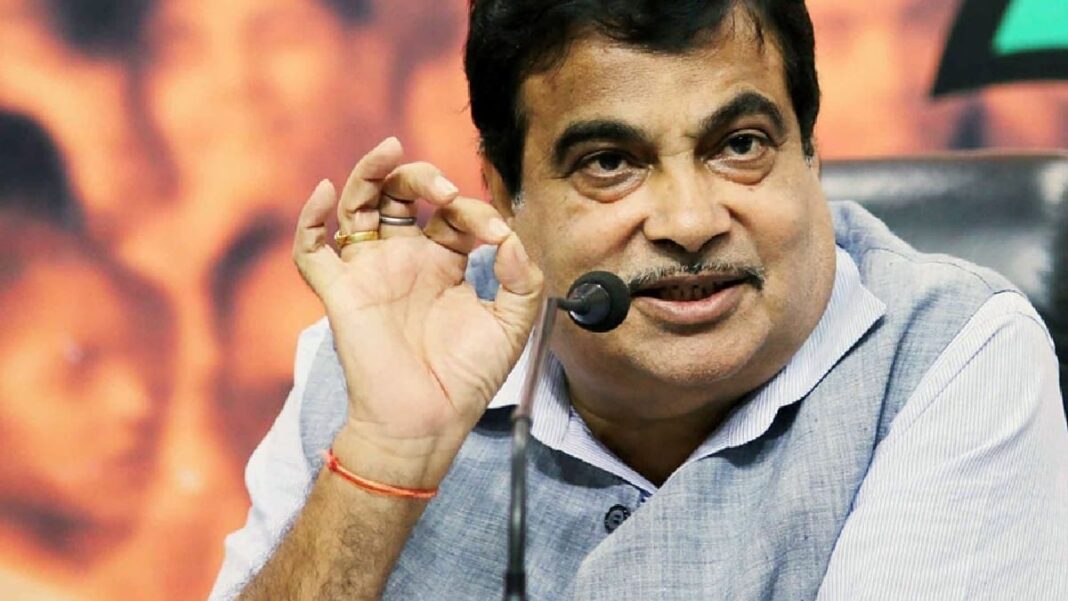
India has recently emerged as one of the most accident-prone countries in the world, reporting nearly 4.8 lakh road accidents and over 1.7 lakh deaths every year . Recently, Union Minister for road transport and highways, Nitin Gadakari broke down the reasons behind this alarming rise in accidents and highlighted the urgent reforms needed to save lives.
According to Nitin Gadkari, one of the major reasons for increasing accidents is faulty road planning and substandard Detailed Project Reports(DPRs) prepared by consultants and engineers. He pointed out that civil engineering flaws such as poorly designed curves, lack of proper junction , planning and inadequate crash barriers which usually go unnoticed during construction . These design errors contribute significantly to accidents but rarely lead to accountability , as no consultant or engineer is held responsible.
India’s vast road network suffers from inaqdeqate infrastructure . Gadkari underlined that poor signage, unclear lane markings, absence of pedestrian-friendly facilities and insufficient lighting all create dangerous conditions both for drivers and pedestrians. in many cases, highways even lack proper safety audits , and basic measures like reflective boards and speed-calming mechanisms are either missing or poorly implemented.
A striking concern highlighted by Gadkari is the lack of accountability . Even when faulty DPRs or construction lapses are identified , engineers , consultants and contractors are seldom penalized . This absence of responsibility creates a cycle where mistakes keep repeating, costing , thousands of lives annually.
According to the report, statistics reports are very tragic .More than 70 percent of accident victims are young people between the age of 18-35 which is considered India’s most productive age group . Accidents also claim the lives of children under 18. The social and economic costs are enormous, with the government losing money every year due to road accidents.
The government has set a target to reduce road accidental deaths by 50% by 2030. For this both infrastrucre improvements and behavioral changes are crucial. Nitin Gadkari’s candid admission points to a systemic problem : India’s road safety crisis is not just about reckless driving but also about structural flaws, poor planning and weak accountabilty.