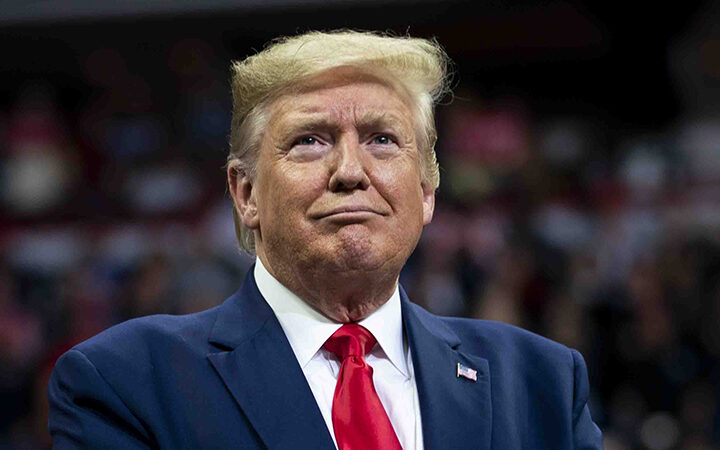
In late July 2025, trade tensions between the United States and India intensified as Washington raised concerns over New Delhi’s continued purchase of crude oil from Russia, despite Western sanctions against Moscow. On July 30, U.S. President Donald Trump announced a 25% “reciprocal tariff” on Indian goods, set to take effect on August 1. This decision was largely driven by India’s high tariffs on U.S. goods and its ongoing energy and military trade with Russia.
The initial 25% tariff was quickly followed by an even harsher penalty. On August 6, Trump issued an executive order that doubled the tariff burden to 50% on many Indian exports. The White House claimed that this move was designed to penalize India for its continued trade dealings with Russia, particularly its energy imports.
India has strongly opposed the tariffs, calling them “unfair, unjustified, and unreasonable.” The Indian government argues that its energy procurement decisions are based on supply availability, affordability, and national interest, rather than geopolitical considerations.
Economic Impact of US-India Tariffs
The immediate economic effects of the tariffs have been significant. Indian exports to the United States dropped sharply from USD 8.01 billion in July to USD 6.86 billion in August. Overall, Indian exports fell to USD 35.10 billion in August, marking a nine-month low. Imports also decreased, narrowing India’s merchandise trade deficit.
In Andhra Pradesh, the state’s Chief Minister N. Chandrababu Naidu warned that nearly half of the shrimp export orders to the U.S. had been canceled, resulting in losses estimated at ₹25,000 crore (USD 3.35 billion). The aquaculture sector, which relies heavily on U.S. export demand, is facing severe challenges due to the tariffs.
In response, the Indian government is preparing an Export Promotion Mission backed by a financial support package worth ₹25,000 crore (USD 3.35 billion) to help exporters navigate the fallout. The proposal is currently under review by the Union Cabinet. Additionally, Indian exporters have appealed to the Reserve Bank of India for financial relief, requesting measures such as loan repayment moratoriums, interest subventions, and enhanced priority sector lending.
Diplomatic Efforts and Ongoing Trade Talks
After several weeks of frozen in-person negotiations, the U.S. trade delegation, led by Brendan Lynch, arrived in New Delhi for formal talks. This marks the first bilateral engagement between the two countries since the 50% tariffs were imposed. India’s chief negotiator, Rajesh Agarwal, described the meeting as a “precursor” to the sixth round of trade talks, with both sides reportedly expressing cautious optimism.
In addition to direct tariffs, the U.S. is lobbying the G7, European Union (EU), and NATO to consider implementing “secondary tariffs” as high as 100% on countries that continue to import Russian oil. Both India and China are prominently mentioned in these discussions.
Global Reactions and India’s Response
Peter Navarro, former trade adviser to Donald Trump, has stated that “India is coming to the negotiating table.” He praised a conciliatory tweet by Prime Minister Narendra Modi, which expressed hope that the ongoing trade talks would unlock the full potential of the India-U.S. partnership. PM Modi posted on X, stating: “I am confident that our trade negotiations will pave the way for unlocking the limitless potential of the India-U.S. partnership.”
Conclusion: Future of US-India Trade Relations
As tensions continue to rise between the U.S. and India, the economic fallout from these tariffs will likely reverberate through global markets. With billions of dollars in trade at stake, both countries appear to be focused on negotiating a resolution that can balance their geopolitical interests with the need for mutual economic growth.
The outcome of this trade dispute will have significant implications not only for India-U.S. relations but also for global trade dynamics in the years to come.