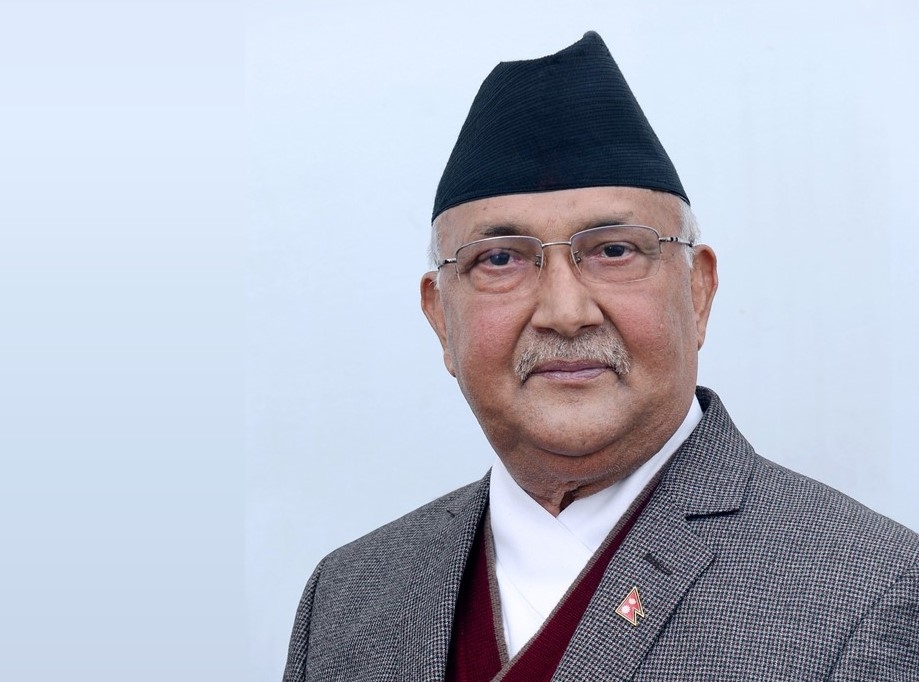
Nepal’s Prime Minister KP Sharma Oli has resigned from office after weeks of escalating protests led by Gen-Z youths, marking one of the most significant political upheavals in recent years. The demonstrations, which began over a government-imposed social media ban, soon evolved into a nationwide movement against corruption, nepotism, and poor governance.
The protests turned violent earlier this week, with security forces resorting to live ammunition, tear gas, and baton charges to disperse crowds. At least 19 people have been killed and over 300 injured in the unrest. Defying curfews, protesters stormed the federal parliament building, Singha Durbar, and set fire to Oli’s residence in Balkot.
Amid mounting pressure, several ministers, including Home Minister Ramesh Lekhak, Agriculture Minister Ramnath Adhikari, and Water Supply Minister Pradeep Yadav, resigned from their posts. Oli, who has served four terms as Prime Minister, announced his resignation and handed acting responsibilities to the Deputy Prime Minister before reportedly planning to leave for Dubai.
The turmoil has drawn global attention, with countries including Australia, Finland, France, Japan, South Korea, the UK, and the US expressing concern over the violence and loss of lives.
With Oli’s departure, Nepal faces a period of intense political uncertainty. Protesters are demanding the establishment of an interim government, strict action against corrupt politicians, protection of free expression, and even the introduction of a retirement age for political leaders. Political parties are expected to begin negotiations immediately to form a new government, but the deep discontent among the youth and public at large underscores the fragile state of Nepal’s democracy.
The future of Nepal’s political landscape now hangs in the balance as the country grapples with both governance challenges and widespread calls for reform.